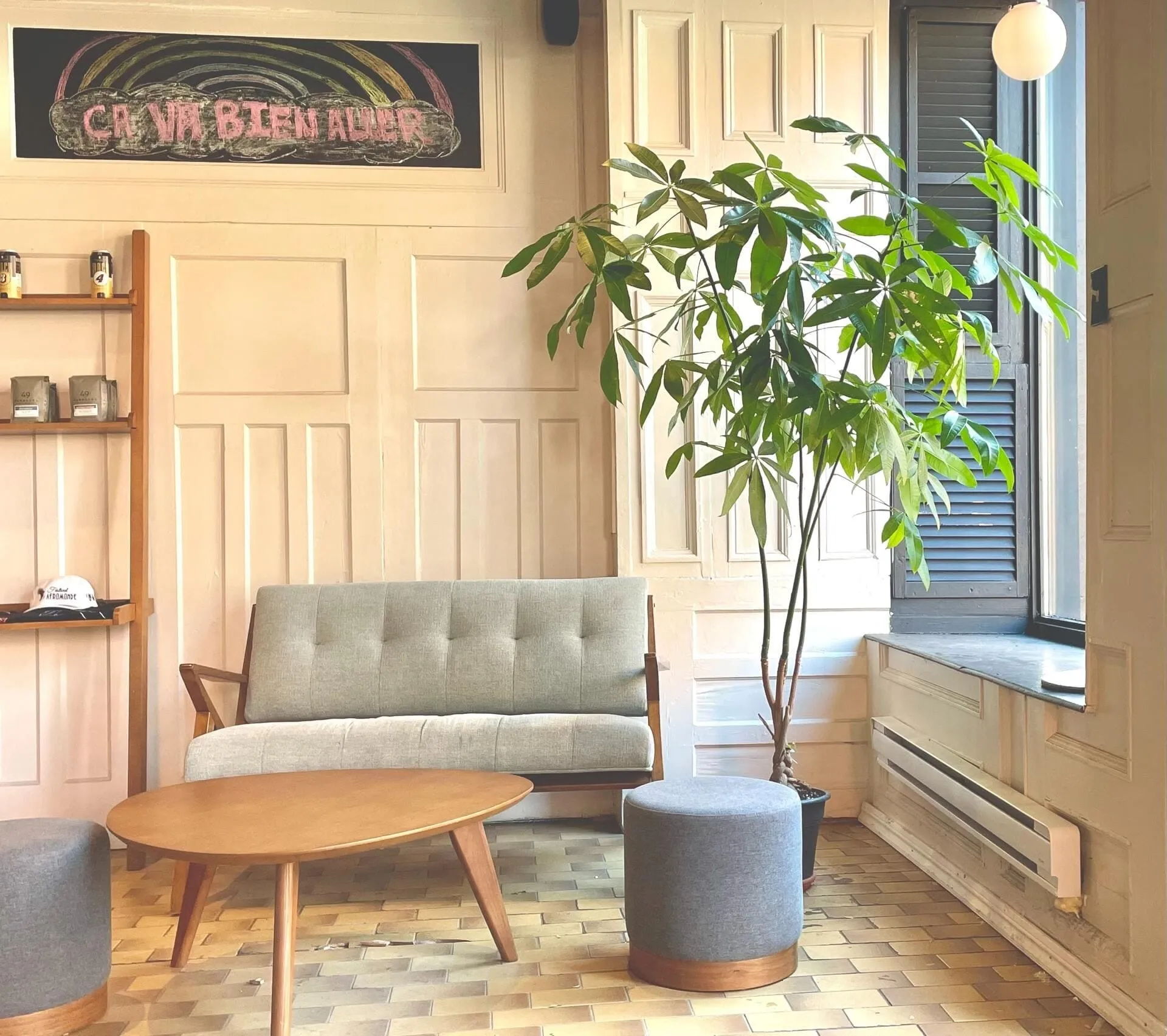
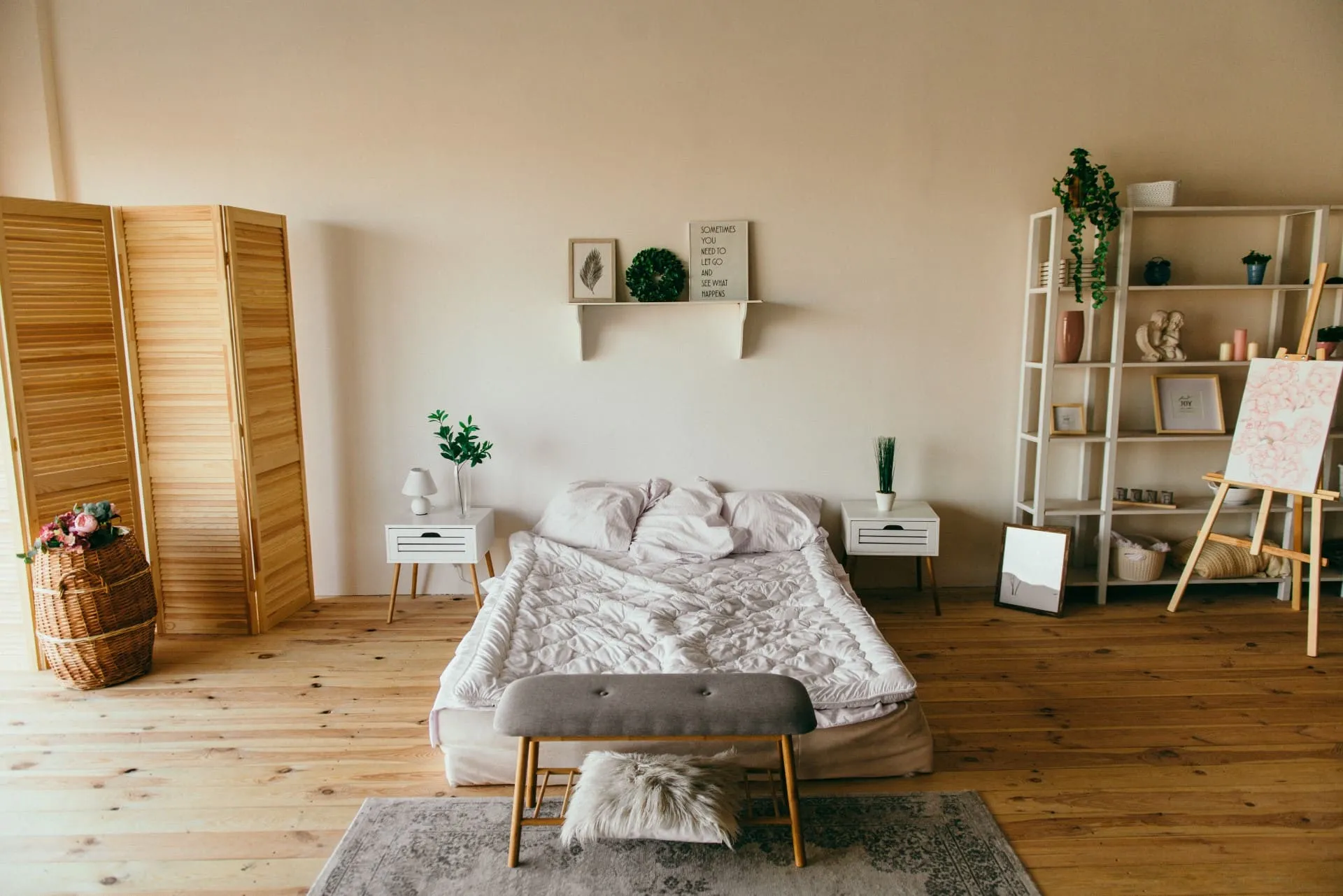
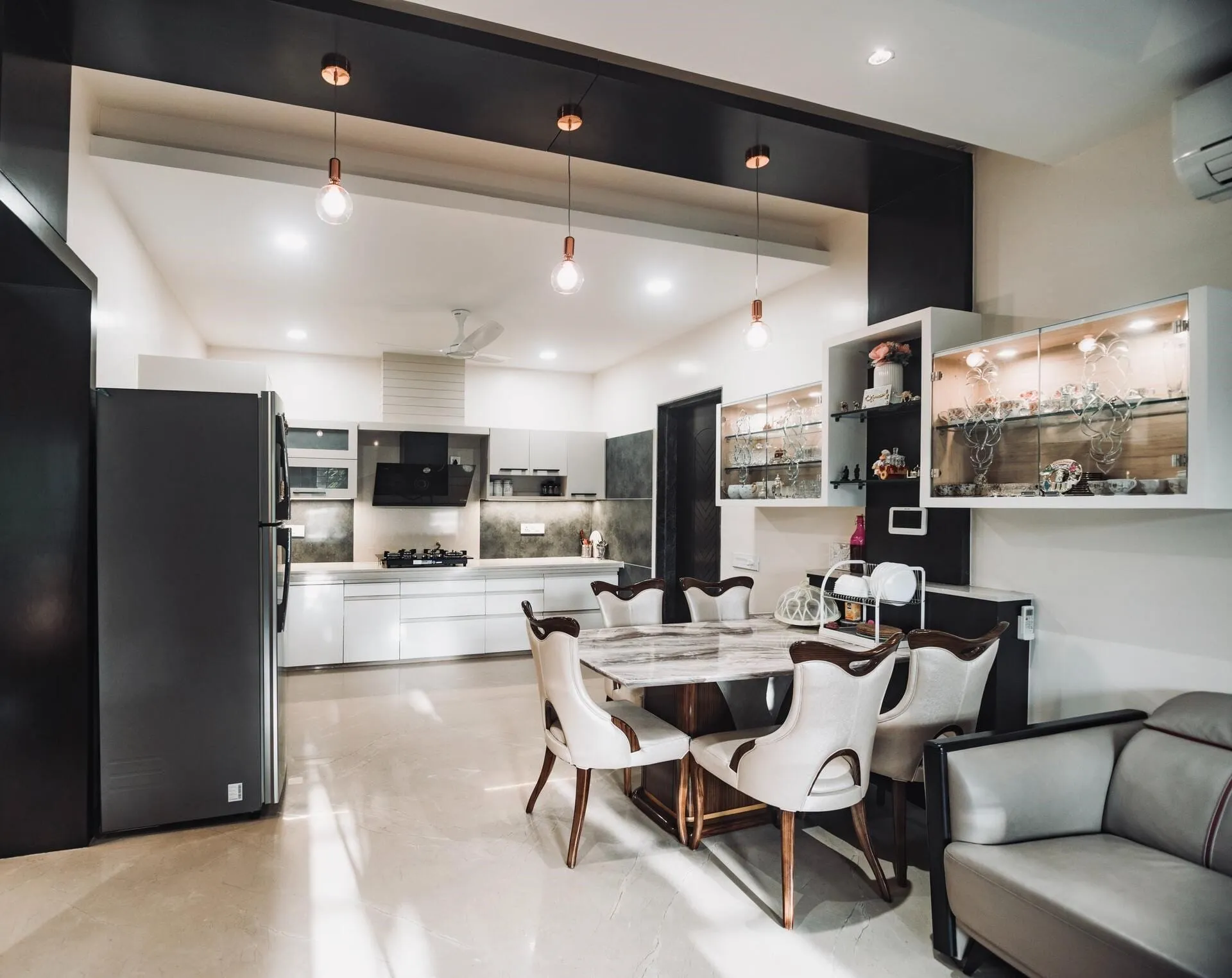

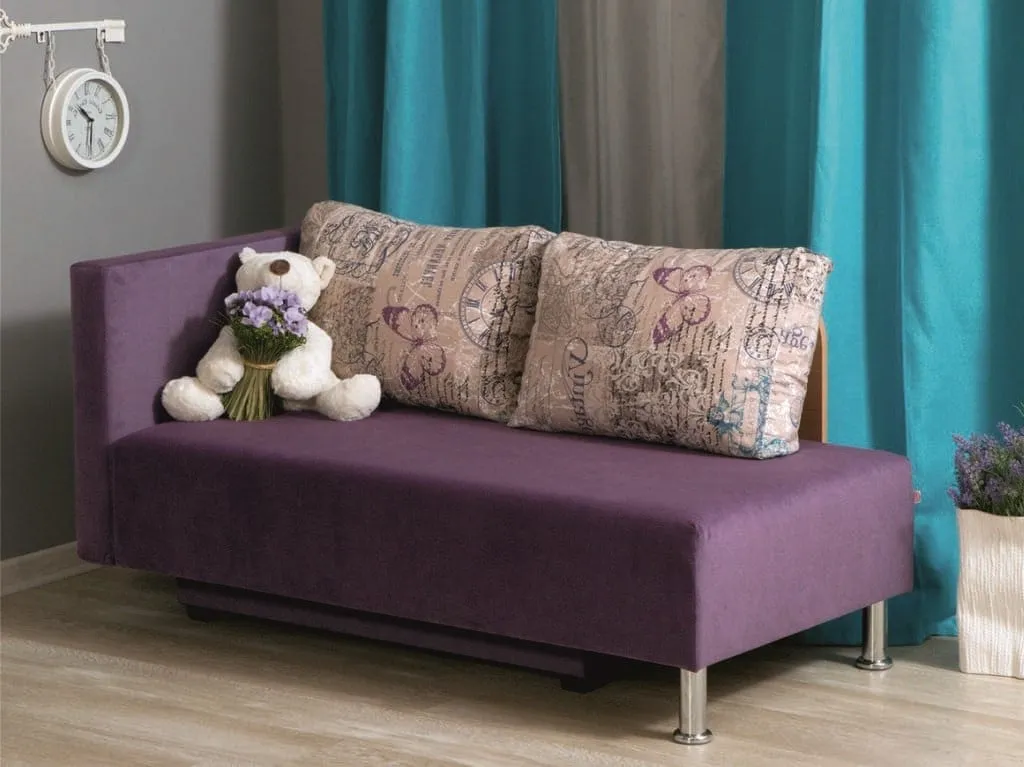

Buying mass-market furniture often feels like a compromise. You find a sofa with the right color, but the seat is too shallow for relaxing after a long workday. Alternatively, you discover a comfortable armchair, but its upholstery clashes with your curtains. Custom upholstered furniture removes these frustrating compromises by putting every single detail into your hands, from the internal wooden skeleton to the final stitch on the armrest.
When you commission a piece through Drynzipu, you participate directly in bringing a functional sculpture to life in your home. This process respects your interior space rather than forcing a standardized box into a room that was designed with different proportions.
Why Standard Furniture Falls Short
Factory-made seating relies on averages. Manufacturers build for an imaginary median living room, using cheap particle board frames and thin foam layers that compress into flat pancakes within eighteen months. When you sit down, you often feel the hard wooden crossbeam right through the fabric.
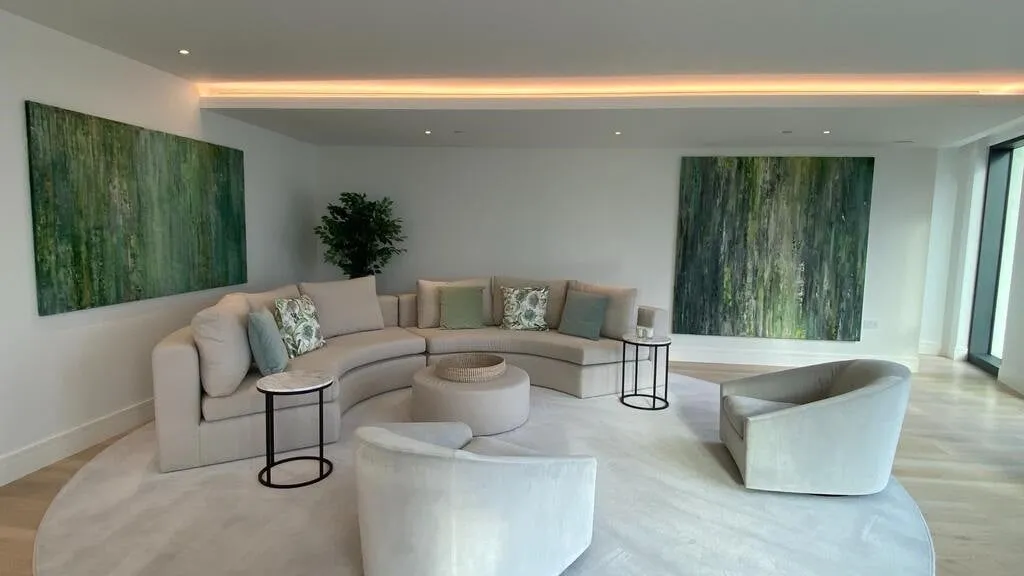
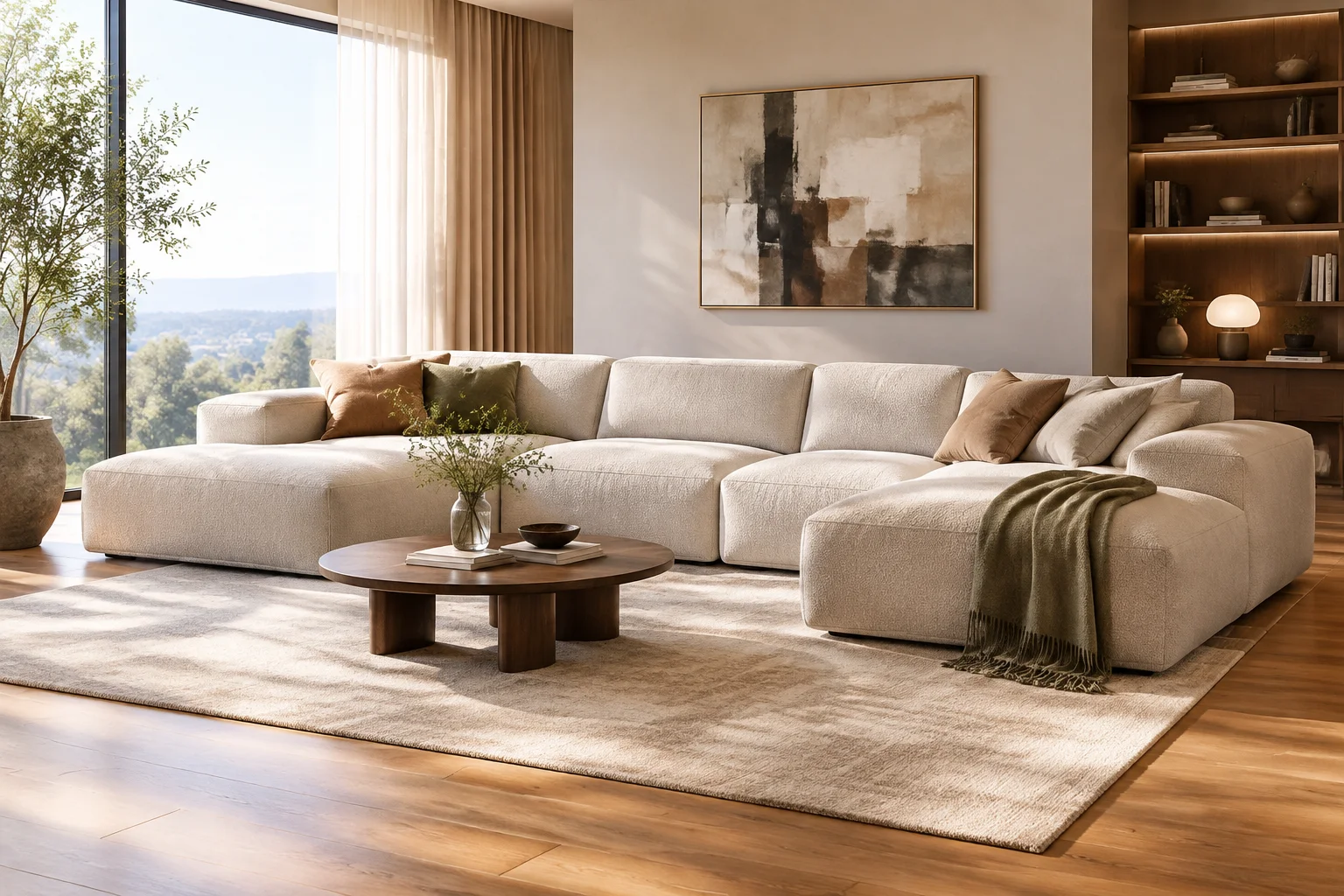
Mass production also limits your choices to whatever the warehouse currently stocks. If you want a specific shade of rust orange or a textured boucle that handles pet claws, standard retail catalogs leave you empty-handed. Choosing custom manufacture lets you specify dimensions down to the centimeter, ensuring your new sectional wraps around your fireplace or fits into that awkward alcove beside the bookshelf without wasting precious floor space.
Materials That Stand the Test of Time
Quality upholstered furniture starts deep inside the frame where the eye cannot see. Without a sturdy skeleton, even the most expensive velvet covering will sag and creak within a few seasons. We select our lumber carefully to prevent warping and structural failure.
- Kiln-dried hardwood for the primary load-bearing frame
- High-resilience polyurethane foam for balanced seating support
- Pocket coil springs for natural bounce and longevity
- Woven webbing straps that distribute weight evenly across the base
- Densely packed synthetic down for plush back cushions
- Reinforced steel brackets at all major joints
Each material plays a specific role in how the furniture ages. A well-built frame absorbs daily impacts quietly, while quality foam springs back into shape the moment you stand up, keeping the piece looking neat without constant fluffing.
The Practical Side of Fabric Selection
Choosing upholstery involves much more than picking a pretty color from a swatch card. Daily life brings spilled coffee, muddy paws, sticky fingers, and strong sunlight that fades cheap dyes over time. Selecting the right textile protects your investment and reduces maintenance headaches.
Dense weaves resist claw snags from cats and dogs far better than loose knits. Synthetic microfiber blends repel liquid droplets long enough for you to blot them away with a dry paper towel before they sink into the cushion core. Natural linen brings unmatched breathability for warm summer afternoons, while heavy wool blends provide cozy warmth during freezing winter evenings.
Designing for Your Specific Room Layout
Every home has its own architectural quirks. Slanted ceilings, old radiator pipes, load-bearing pillars, and narrow hallways can turn a simple furniture delivery into a stressful ordeal. Custom manufacturing solves these spatial puzzles before the saw touches the timber.
We can build sofas with modular sections that maneuver easily up winding stairwells, or craft low-profile backrests that sit comfortably underneath low window sills without blocking natural light. Your furniture should adapt to your architecture, not the other way around.
Caring for Your Handcrafted Investment
Once your new furniture arrives in the living room, a few simple habits will keep it looking fresh for decades. Vacuum the fabric surfaces gently using a soft brush attachment every couple of weeks to remove dust particles that slowly grind away at textile fibers.
Rotate and flip your seat cushions monthly so wear distributes evenly across both sides. Keep direct sunlight away from sensitive dyes by positioning curtains or blinds properly during peak afternoon hours. When minor stains happen, dab them gently rather than rubbing aggressively, which pushes the pigment deeper into the yarn.
Investing in custom upholstered furniture means you stop treating sofas and armchairs as disposable household items that need replacing every few years. You gain a reliable, beautiful companion for your daily life, built specifically for the way you sit, read, rest, and entertain.